Preparation and selling costs in South Australia affect leverage in ways many sellers underestimate. Costs do not only reduce net proceeds; they also change buyer expectations and perceived risk. In South Australia, the key question is not “what looks better,†but “what changes buyer behaviour.â€
This article separates preparation decisions into two categories: changes that influence buyer response, and changes that mainly increase expectations. Keeping this distinction helps reduce wasted spend and protects negotiation leverage.
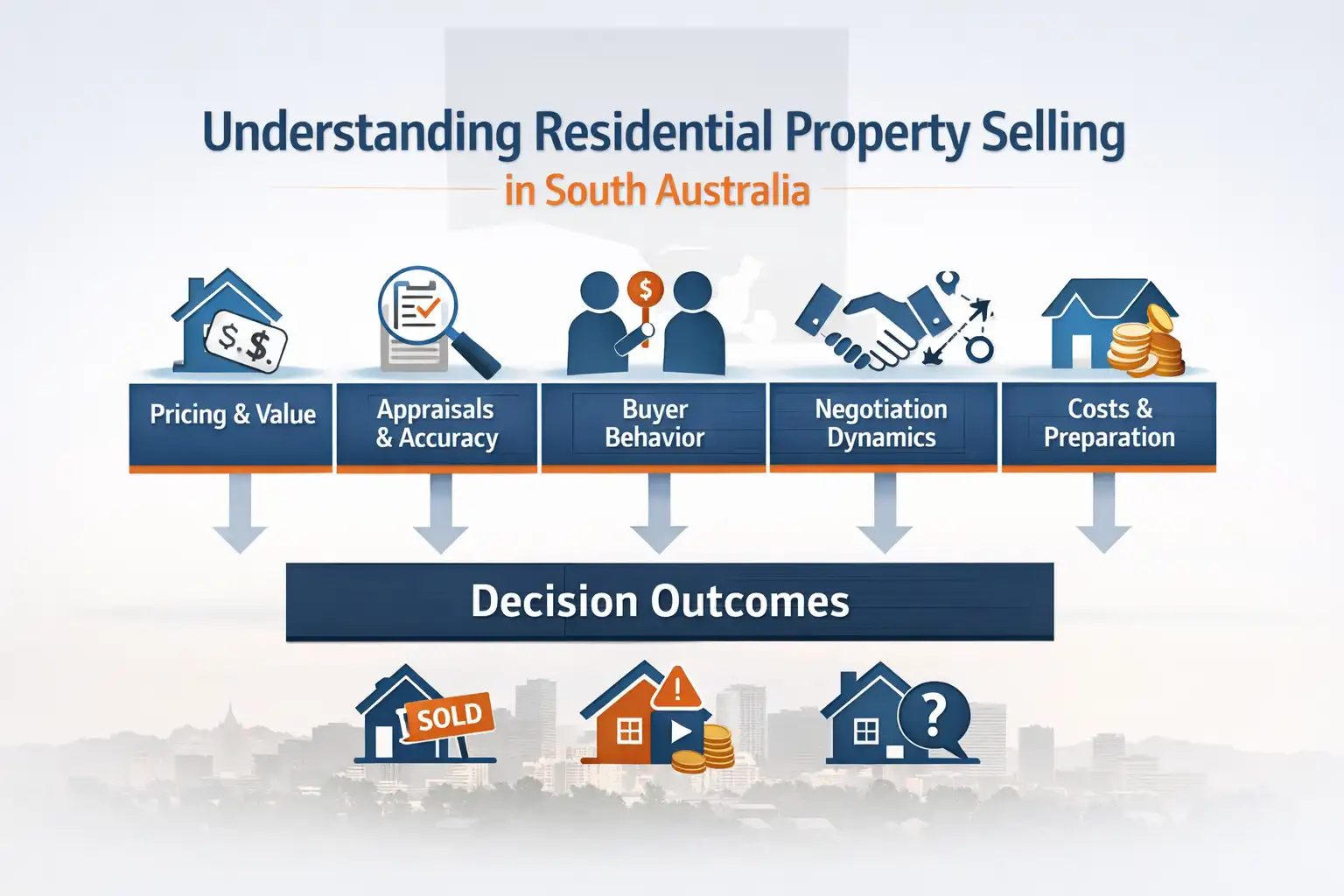 alt="South Australia selling recommended page online process"
style="max-width:95%;margin:15px auto 20px;display:block;" />
Presentation choices and buyer response
The market reacts to perceived risk. Cleaner presentation reduces doubt and increases inspection confidence. That shift can increase urgency even if it does not “add value†on paper.
Changes that remove doubt tends to improve buyer behaviour. It increases comfort, which can strengthen negotiation leverage during offers.
Where costs occur in a campaign
Transaction costs usually appear in stages. Some costs occur before launch, such as marketing, documentation, and presentation spend. Later expenses occur at settlement or completion.
Sequence matters because early spending decisions can change expectations. If costs push the seller toward optimism, pricing and negotiation posture can become less flexible.
Distinguishing effort from outcome
Not all spend changes buyer behaviour. Many updates makes a home look better but also raises expectations. If expectations rise faster, the result can be neutral.
The goal is to ask: does this reduce perceived risk, or does it just raise price expectations? This filter helps avoid spending that fails to improve outcomes.
When costs raise expectations instead
Bargaining strength is protected when preparation supports confidence without inflating assumptions. If presentation lowers risk, buyers negotiate with less resistance.
If spend encourages optimism, sellers may resist feedback. Such posture weakens leverage over time, especially if competition does not form early.
A practical way to choose preparation tasks
A practical approach is to prioritise low-risk, high-clarity tasks. Small repairs reduces doubt. Clean communication reduces perceived risk.
By contrast, large aesthetic upgrades can be risky unless they clearly match buyer demand. In South Australia, preparation works best when it supports confidence and protects leverage, rather than chasing cosmetic perfection.